Professional Filament Printing, High-Quality Resin Printing
The world of 3D printing has opened up endless possibilities for designers, engineers, and hobbyists alike. From rapid prototyping to custom manufacturing, the right printing technology can bring ideas to life with precision and quality. Two of the most popular techniques in the industry today are professional filament printing and high-quality resin printing, each offering unique benefits depending on your project needs.
Understanding Professional Filament Printing
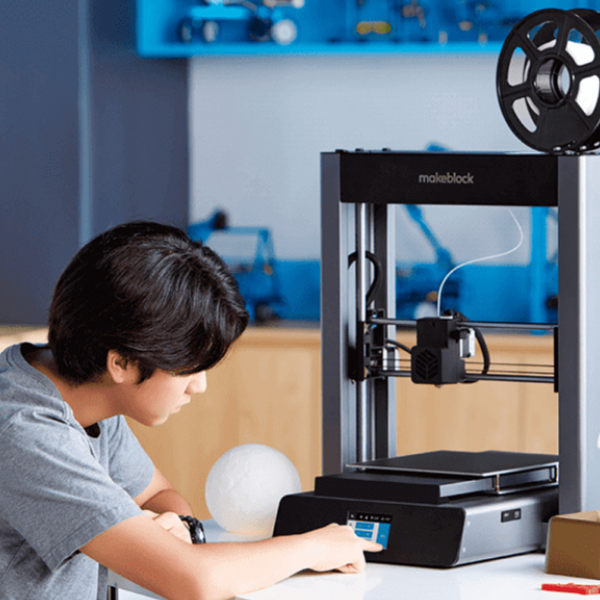
Professional filament printing, also known as Fused Deposition Modeling (FDM), is one of the most widely used 3D printing methods. It works by heating and extruding thermoplastic filament, layer by layer, to create durable and functional objects. Filament printing is highly versatile and ideal for producing larger components, mechanical parts, prototypes, and custom tools. It is especially valued in professional settings because of its cost-effectiveness and reliability. Businesses and makers rely on professional filament printing for creating functional models with strong structural integrity, while still allowing for intricate designs and customization. With a wide variety of filament materials available—including PLA, ABS, PETG, and specialty composites—professional filament printing provides the flexibility to match material properties with project requirements. This method is perfect for projects that need durability, heat resistance, or flexibility.
The Advantages of High-Quality Resin Printing
While filament printing excels in durability and size, high-quality resin printing stands out for its precision, detail, and smooth finishes. Resin printing, often referred to as SLA (Stereolithography) or DLP (Digital Light Processing), uses a liquid photopolymer that is cured with light to create detailed 3D objects. High-quality resin printing is ideal for projects requiring fine features, intricate geometries, or smooth surfaces, such as jewelry, dental models, miniatures, and highly detailed prototypes. The ability to capture minute details with accuracy makes resin printing a preferred choice for industries where precision matters. Resin printing also allows for various finishes and material properties, including transparent, flexible, or castable resins. This versatility ensures that every project can meet aesthetic, functional, and technical requirements.
Combining Both Techniques for Maximum Impact
Many designers and manufacturers choose to integrate professional filament printing with high-quality resin printing to achieve the best of both worlds. Filament printing can be used for robust, large-scale parts, while resin printing handles delicate or highly detailed components. This hybrid approach maximizes efficiency, quality, and creative potential. By understanding the strengths of each method, businesses, hobbyists, and creators can optimize production processes, reduce costs, and achieve superior results across a wide range of applications.
Conclusion
Whether you are producing functional prototypes, intricate models, or custom-designed products, professional filament printing and high-quality resin printing offer unmatched possibilities. Filament printing delivers strength, size, and versatility, while resin printing provides precision, detail, and smooth finishes. Together, they empower creators to bring their visions to life with accuracy, efficiency, and creativity. Investing in both technologies allows you to harness the full potential of 3D printing, producing high-quality results for every project—no matter the complexity or scale.